What Questions to Ask Before Ordering Plastic Cards
Table of Contents []
- Smart Buyers Ask the Right Questions: Your Complete Guide from Plastic Card ID
- Question 1: What Will These Cards Actually Do?
- Question 2: What Quantity Do You Need - and How Will That Change?
- Question 3: What Equipment Will Print or Read Your Cards?
- Question 4: What Specialty Features Do You Need?
- Question 5: What Supporting Services Do You Need?
- Before You Order: A Final Checklist from Plastic Card ID
Smart Buyers Ask the Right Questions: Your Complete Guide from Plastic Card ID
Most people assume ordering plastic cards is simple - pick a quantity, upload a design, done. But experienced program managers know there are a dozen decision points between "I need cards" and "I have exactly the right cards." Getting those decisions right the first time saves money, prevents reprints, and builds programs that actually work.
Plastic Card ID has guided more than 100,000 customers through this process over 25 years, and the pattern is clear: buyers who ask the right questions before ordering consistently get better results. This guide captures exactly what those questions are - and why each one matters more than you might expect.
Why the Questions You Ask Determine Your Outcome
A blank CR80 card at 30 mil thickness is the industry-standard workhorse. But encode it with HiCo magnetic stripe data, pair it with the right card printer, and that same card becomes a functional employee credential, a gift card, or an access token. The card itself is only as powerful as the thinking that goes into specifying it.
The difference between a smooth card program launch and a frustrating reorder situation often comes down to a few overlooked specs - encoding format, card finish, compatibility with existing readers, or simply minimum order quantities. Ask early. Ask clearly. The answers will shape every purchasing decision that follows.
The Stakes Are Higher Than You Think
Retailers who switch from paper gift certificates to plastic gift cards report sales increases of 35-50%. That is not a minor gain - it is a program transformation. Loyalty cards that physically live in a customer's wallet dramatically outperform paper punch cards that get lost, forgotten, or ignored.
Membership and ID cards in plastic communicate legitimacy that paper simply cannot match. When your card looks professional, your organization looks professional. So before you place that first order or reorder, take fifteen minutes with this guide. The payoff is disproportionate to the time invested.
Who This Guide Is For
Whether you run a regional gym looking for 200 membership cards, a mid-size hotel needing RFID key cards, a school district managing student ID programs, or a corporation ordering tens of thousands of employee badges - these questions apply to you. Scale changes the economics; the core questions remain the same.
CPE works with organizations ranging from boutique retailers ordering 50 cards a month to large enterprises running mass production programs. Every successful program - regardless of size - starts with clarity about purpose, function, and fit.
Question 1: What Will These Cards Actually Do?
 This sounds obvious, but many buyers underspecify their functional requirements and end up with cards that look great but cannot perform their intended task. Define the job before you spec the card. Will it be scanned, swiped, tapped, printed, or purely visual? Each answer changes the right product category entirely.
Card function determines encoding technology. A loyalty card that gets swiped at a POS terminal needs a magnetic stripe - and the coercivity level of that stripe matters. An access control card that communicates with a door reader likely needs RFID or proximity technology. A simple membership card used for visual verification needs neither. Know the job. Then spec the card.
Magnetic Stripe: HiCo vs. LoCo
If your card will be swiped through a reader, magnetic stripe encoding is likely in your future. The first question: HiCo (High Coercivity) or LoCo (Low Coercivity)? HiCo stripes are harder to demagnetize, making them the right choice for cards that see frequent swipes, exposure to other magnets, or long use cycles. LoCo stripes are suitable for short-term or low-frequency use.
Hotel key cards traditionally use LoCo because they are rewritten and reissued frequently. Gift cards and loyalty cards almost universally use HiCo because they need to survive years in a wallet or purse alongside other cards and magnetic surfaces. Ordering the wrong coercivity level means your cards fail in the field - and that is an expensive lesson to learn after the fact.
RFID, Proximity, and Smart Chip Options
Contactless technology has become standard across a wide range of applications. Proximity cards (125kHz) are workhorses in access control - reliable, affordable, and compatible with a massive installed base of readers. RFID smart cards, including MIFARE DESFire variants, operate at 13.56MHz and support encrypted data storage for higher-security environments like casinos, corporate facilities, and transit systems.
Smart chip cards add a physical contact interface alongside or instead of contactless functionality, enabling more complex data transactions. If your application involves secure credential management or tiered access privileges, smart chip technology may be the right investment. The cost is higher per card, but so is the capability.
When a Blank Card Is the Right Answer
Not every application requires encoding. Blank CR80 PVC cards at 30 mil thickness - the ISO 7810 standard - give organizations complete design control and dramatically lower per-card costs compared to pre-printed alternatives. Print them in-house with your own card printer, update designs as needed, and maintain full flexibility over your program.
Employee badges, event credentials, in-house membership cards, and visitor passes are all natural fits for a blank card plus in-house printing workflow. Organizations that print in-house gain speed, control, and cost efficiency that pre-ordered custom cards simply cannot match when programs evolve frequently.
Question 2: What Quantity Do You Need - and How Will That Change?
| Program Scale | Typical Monthly Volume | Recommended Approach |
|---|---|---|
| Small (boutique, startup) | 50-500 cards | In-house printing, blank card stock |
| Mid-size (regional chain, school) | 500-5,000 cards | Bulk blank or custom pre-print runs |
| Large (enterprise, retail network) | 5,000-50,000 cards | Mass production, strategic sourcing |
Quantity is not just a budget question - it is a strategy question. Ordering too few cards means frequent reorders at potentially higher per-unit costs. Ordering too many ties up capital in inventory that sits in a drawer. The right quantity balances your program's growth rate against your cash flow and storage realities.
Projecting volume 6-12 months forward - accounting for seasonal spikes, planned promotions, or new location openings - gives you a much smarter ordering baseline than simply duplicating last month's usage. Plastic Card ID works with buyers at every scale and can help you think through the right inventory strategy for your specific program.
Minimum Orders and Pricing Tiers
Most card products have quantity price breaks that make larger orders significantly more economical per card. Understanding where those breaks fall - and whether your volume naturally hits one of them - is worth calculating before you submit an order. Sometimes ordering 20% more cards drops your per-unit cost enough to pay for the extra inventory almost immediately.
Ask specifically about minimum order quantities for specialty products like RFID cards, clear plastic cards, or custom die-cut shapes. These formats often have higher minimums than standard blank PVC due to production setup requirements. Knowing this before you plan your timeline prevents surprises.
Planning for Reprints and Program Evolution
Card programs change. Logos get updated. Locations open and close. Technology requirements evolve. If you are ordering pre-printed custom cards, consider how soon your design might change and whether a shorter, more frequent ordering cycle makes more sense than a single massive run.
Organizations that print in-house using blank card stock sidestep this challenge entirely - design changes happen at the printer, not at the factory. Flexibility has real financial value when your program is still maturing or your branding is actively evolving.
Asking About Lead Times and Fulfillment
Production and shipping timelines vary by product type. Standard blank PVC cards ship quickly. Custom-encoded RFID cards, specialty clear cards, or metal card products require more lead time. Always confirm expected lead time before committing to a launch date, especially if your card program is tied to an event, a store opening, or a seasonal campaign.
Call 800.835.7919 to discuss realistic timelines for your specific order. CPE knows from experience that timeline surprises are one of the most common sources of program stress - and almost all of them are preventable with a five-minute conversation upfront.
Question 3: What Equipment Will Print or Read Your Cards?
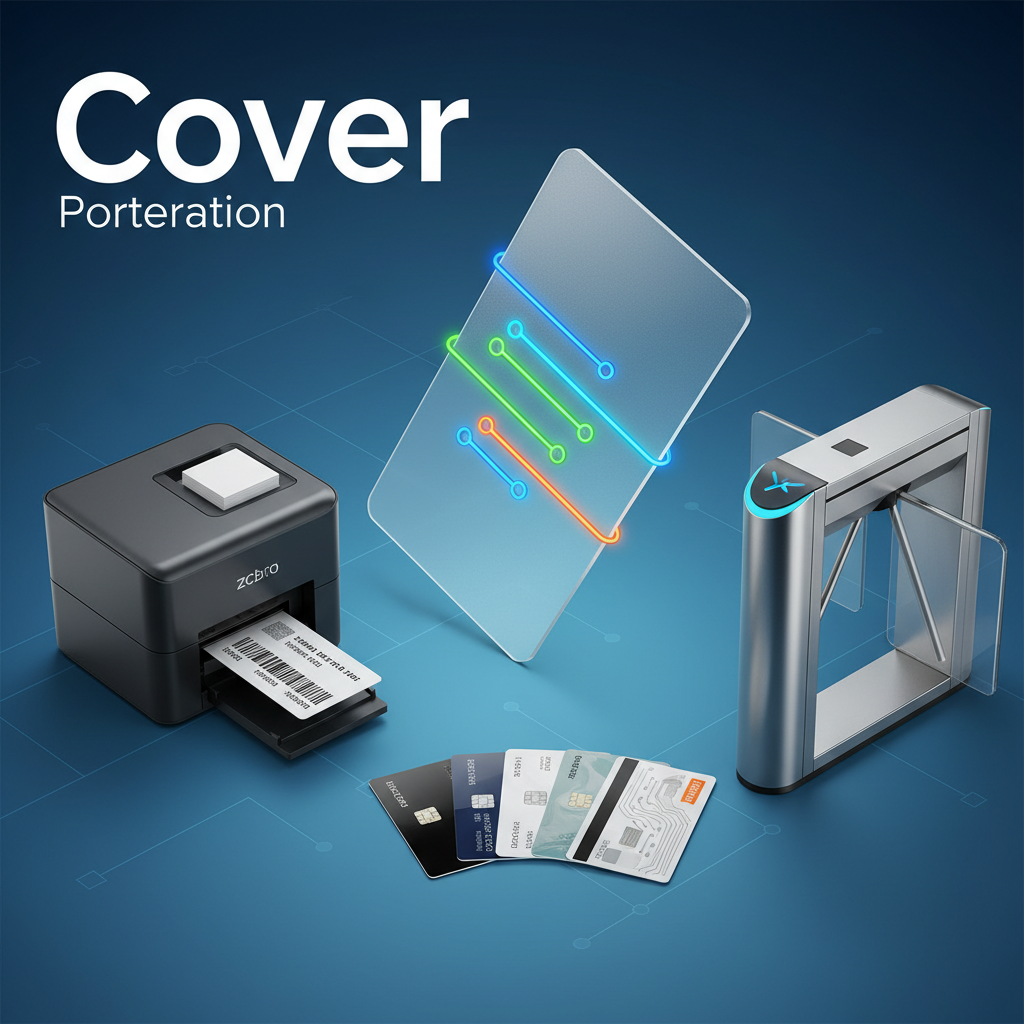 Card compatibility is non-negotiable. A beautiful card that jams your printer or fails to read in your existing access control system is worse than no card at all. Hardware compatibility must be confirmed before you order, not discovered through trial and error after cards arrive.
This applies both to card printers - if you are printing in-house - and to any card readers your cards need to communicate with. The card, the printer, and the reader form a system. All three must be aligned for the system to function reliably.
Matching Cards to Your Card Printer
Plastic Card ID carries a full lineup of card printers from Evolis, Zebra, and Fargo - three of the most trusted names in the industry. Each printer family has its own ribbon system, card thickness tolerances, and encoding capabilities. Not all blank PVC cards perform equally in all printers, and using off-spec cards can cause feed errors, print quality issues, and premature wear on your printer's mechanisms.
If you are purchasing both cards and a printer, the easiest approach is to source them together from the same supplier. If you already own a printer, know your make and model before ordering cards, and confirm compatibility. The same logic applies to printer ribbons - Plastic Card ID stocks ribbons for all major printer brands it carries, making it easy to keep everything consistent.
Reader Compatibility for Encoded Cards
If your cards need to communicate with door readers, POS terminals, loyalty platforms, or other systems, verify the encoding specifications your existing hardware requires before ordering. For magnetic stripe cards, this means confirming track configuration and coercivity. For RFID and proximity cards, this means confirming frequency and protocol.
Mixing 125kHz proximity cards with a 13.56MHz reader infrastructure - or vice versa - is a costly mistake that is entirely avoidable. A ten-minute conversation with your IT or facilities team before ordering can save hundreds or thousands of dollars in replacement cards.
Printers, Ribbons, and Consumables as a System
Card printing is a system, not a product. A printer without compatible ribbons, cleaning kits, and a steady supply of the right card stock is a problem waiting to happen. Cleaning kits extend printer life significantly. Proper ribbon storage prevents premature degradation. Treating consumables as an afterthought is one of the most common and most expensive mistakes in in-house card programs.
Ask your supplier to walk you through the full consumables ecosystem before your program launches. Plastic Card ID stocks cleaning kits, card sleeves, card carriers, and all associated supplies alongside its printer and card inventory - making it genuinely easy to keep your program running without scrambling for components from multiple sources.
Question 4: What Specialty Features Do You Need?
Standard PVC cards cover the majority of use cases. But the right specialty feature can meaningfully upgrade your program's performance, security, or appeal. Knowing what options exist is the first step to knowing whether you need them.
Specialty features span a wide range: clear and frosted card stock, custom die-cut shapes, overlaminates for durability, signature panels, holograms, scratch-off panels, casino-grade encoding, and luxury metal cards in stainless steel, brass, and gold. Each serves specific functional or brand purposes that standard cards cannot address.
Clear and Frosted Card Options
Clear plastic cards create a distinctive visual impression that stands out from the standard white PVC card crowd. They work well for premium loyalty programs, VIP membership cards, and any application where the card itself is intended to communicate exclusivity or brand sophistication. Frosted cards offer a similar premium feel with a softer, semi-translucent appearance.
Both clear and frosted card formats require attention to print technique - not all printing methods produce the same results on transparent or translucent substrates. Confirm with your supplier that your intended print process is compatible with the card format before ordering in volume.
Luxury Metal Cards and Custom Shapes
For programs where the card is a brand statement as much as a functional tool, luxury metal cards in stainless steel, brass, and gold deliver an unmistakable premium experience. These are not novelties - they are serious marketing and loyalty tools used by high-end hotels, private clubs, and premium retail brands to signal value and create card-holder pride.
Custom die-cut shapes extend this brand differentiation into format itself - cards shaped like your product, your logo, or a distinctive silhouette. When a card is unusual, people notice it, keep it, and talk about it. That organic engagement has genuine marketing value beyond the card's primary function.
Casino, Hotel, and Specialty Encoding Requirements
- Casino player cards often require combination encoding - magnetic stripe plus RFID - for tracking and loyalty program integration at gaming terminals.
- Hotel key cards typically use LoCo magnetic stripe or 13.56MHz RFID, and must be compatible with the property's specific door lock system.
- MIFARE DESFire smart cards support encrypted multi-application data for high-security facilities needing tiered access privileges.
- Proximity cards at 125kHz remain the dominant format for office access control due to broad compatibility with installed reader infrastructure.
- Combo cards combining multiple technologies allow a single card to serve multiple functions across different systems simultaneously.
If your application falls into any of these specialty categories, the encoding specifications conversation becomes significantly more detailed. Get your IT, security, or operations team involved early to ensure the card you order will actually work in your specific environment from day one.
Question 5: What Supporting Services Do You Need?
Cards do not exist in isolation. They are issued, mailed, stored, carried, and eventually replaced. A complete card program requires supporting services and supplies alongside the cards themselves, and sourcing all of it from one partner simplifies everything from budgeting to reordering.
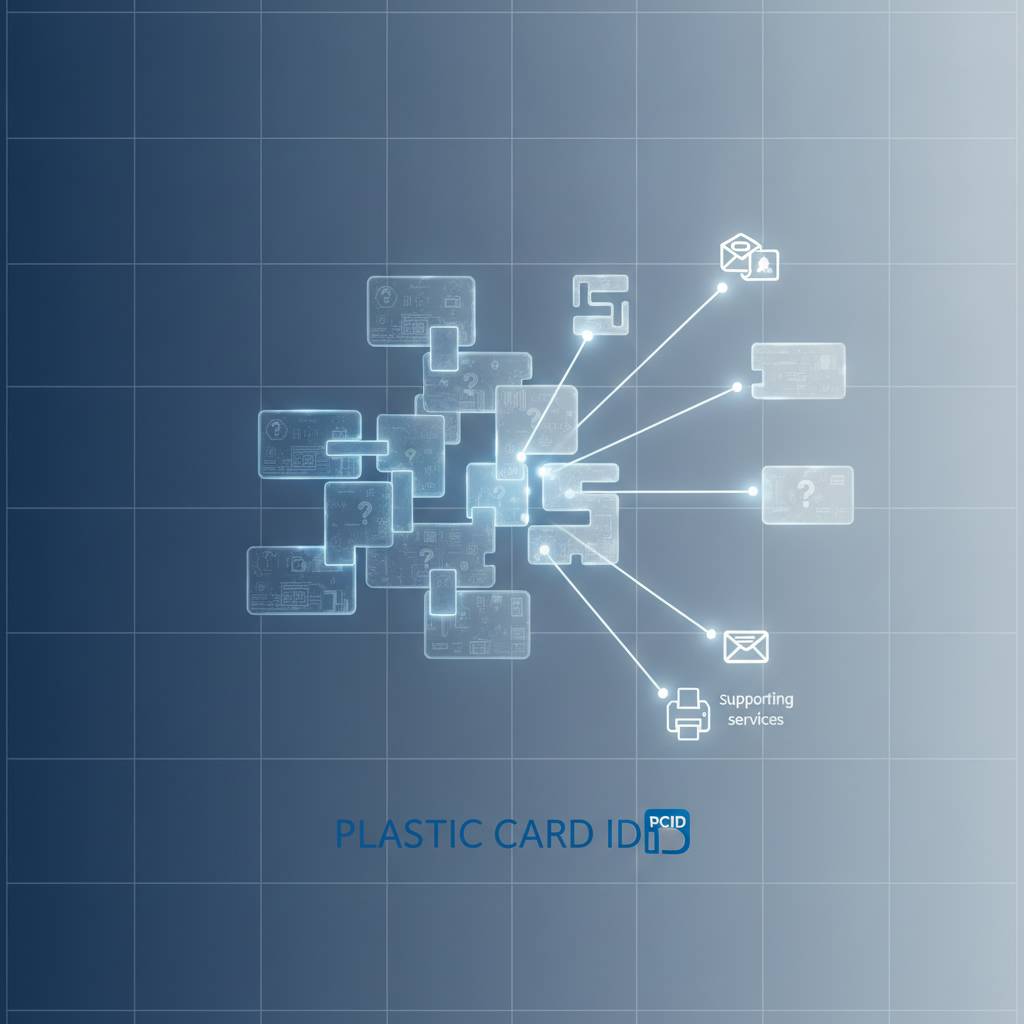
Plastic Card ID offers card affixing and mailing services, card carriers, card sleeves and protective holders, and the full range of printer consumables. Whether you are mailing loyalty cards to new members or issuing employee badges at a new hire desk, having the right supporting infrastructure in place makes the difference between a program that runs smoothly and one that creates constant operational friction.
Card Carriers, Sleeves, and Protective Holders
Card carriers - the paper or printed holders that present a card professionally during issuance or mailing - serve both functional and brand purposes. They protect the card during transit and give you a surface to print activation instructions, brand messaging, or usage information. A well-designed card carrier turns a card issuance moment into a brand experience.
Card sleeves protect individual cards from scratching and surface damage during storage and handling. For programs where card appearance matters - loyalty cards, VIP membership cards, metal cards - protective sleeves are a minor cost that prevents a disproportionate amount of damage and card replacement expense.
Card Affixing and Mailing Services
For programs that mail cards to members, customers, or employees, fulfillment logistics can become a significant operational burden. Card affixing services - attaching cards to carriers or mailers - combined with direct mailing capabilities allow you to hand off the entire distribution process to your supplier rather than building that capacity in-house.
This is particularly valuable for program launches, seasonal card distributions, and new member welcome packages. Outsourcing card fulfillment to an experienced partner reduces labor costs and error rates simultaneously while keeping your team focused on core business activities.
Cleaning Kits and Printer Maintenance Supplies
Card printers are precision instruments. Dust, debris, and residue accumulate on rollers and print heads with regular use, degrading print quality and shortening equipment life. Regular cleaning with the right cleaning cards and swabs - matched to your specific printer model - is the single most cost-effective maintenance practice available to in-house card programs.
Call 800.835.7919 to get matched with the correct cleaning kit for your printer model. The few dollars spent on periodic cleaning prevents print head replacements that can cost $200-$800 depending on the printer.
Before You Order: A Final Checklist from Plastic Card ID
Bringing it all together, the questions that most consistently separate successful card program buyers from frustrated ones can be summarized in a clear pre-order review. Run through this list before you place any order - whether it is your first or your fiftieth.
The buyers who invest ten minutes in clarity before ordering save hours of troubleshooting afterward. CPE has seen this pattern play out across hundreds of thousands of orders over 25 years. The checklist below is the distilled version of that experience.
Your Pre-Order Question Checklist
- What is the primary function of this card - visual ID, swipe, tap, or a combination?
- If magnetic stripe: HiCo or LoCo, and which tracks need to be encoded?
- If RFID or proximity: what frequency and protocol does your reader infrastructure require?
- What quantity do I need now, and what will I need over the next 6-12 months?
- Am I printing in-house or ordering pre-printed custom cards?
- If printing in-house: are these cards compatible with my specific printer make and model?
- Do I have sufficient ribbon and cleaning supply inventory for this card run?
- Do I need any specialty features - clear stock, custom shape, metal, laminates?
- Do I need card carriers, sleeves, or mailing services for card distribution?
- What is the production and delivery lead time, and does it fit my program timeline?
Common Mistakes to Avoid
Ordering the wrong coercivity for a magnetic stripe application is the single most common and most preventable error. Right behind it: ordering cards without confirming compatibility with existing readers or printers. Both mistakes result in 100% waste on the incorrectly ordered batch - and an urgent reorder under time pressure, which almost never produces the best pricing or timeline.
Underestimating volume and reordering too frequently is another common pattern that inflates per-card cost over time. Conversely, over-ordering before a design or program change locks budget into inventory that cannot be used. Getting quantity right is a financial discipline as much as a logistical one.
Why Working with an Experienced Partner Matters
Twenty-five years of experience across more than 50 million cards sold creates a knowledge base that genuinely helps buyers avoid costly mistakes. CPE is not just a card vendor - it is a program partner that can review your application, flag compatibility concerns, and recommend the right product combination from a catalog that spans blank PVC stock, magnetic stripe cards, RFID and proximity cards, smart chip cards, specialty formats, card printers, ribbons, and all supporting supplies.
That full-catalog capability matters because your card program will evolve. Technologies change. Volumes grow. New applications emerge. Having a single partner who can serve your program at every stage - from the first 50 cards to mass production runs in the tens of thousands - eliminates the friction of sourcing from multiple vendors as your needs scale.
Ready to ask the right questions and get the right cards? Contact Plastic Card ID today at 800.835.7919 - your dedicated team is standing by to help you build a card program that performs exactly as intended, from the very first order.
Previous Page